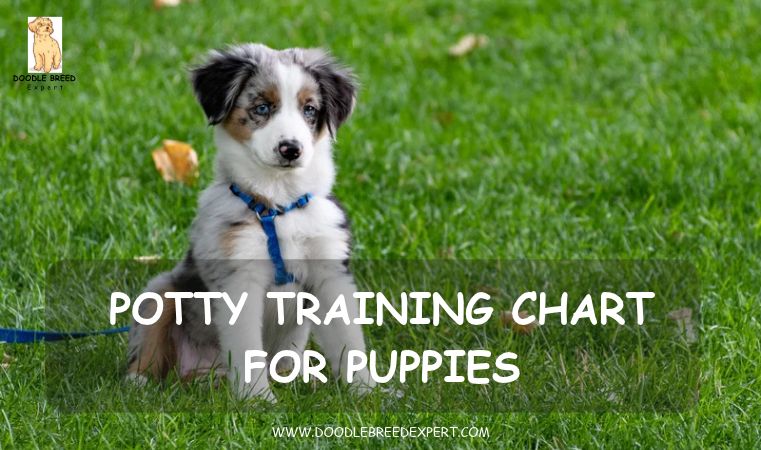
When house training with your new puppy, things go a lot quicker when you begin to predict what your puppy will do rather than guess. Most puppies have a very predictable peeing pattern which includes peeing immediately after waking up, right after mealtime, after playtime, and approximately every hour or two in between.
A potty training chart allows you to turn this predictable peeing pattern into a timed schedule of when to take them outside so accidents are avoided. To receive a printed copy of your puppy’s potty training schedule and a simple tracking log to post on your refrigerator, simply input your puppy’s age and then provide us with information regarding your daily routine.
Puppy Potty Training Chart Maker
Your chart is built around your puppy’s bladder capacity at their age.
Daily tracking log
How Long Can a Puppy Hold Their Bladder?
Most people use the following rule as an indicator of how long a puppy can “hold” their urine (the amount of time they can keep from urinating): One hour per month of age + One. Therefore, a three-month old puppy would be able to “hold” their urine for approximately four hours. This guideline works well for nighttime when your puppy is resting, because the body typically functions slower during this time. However, the actual number of hours is significantly lower while your puppy is awake and actively playing, drinking and running around throughout the day.
| Age | Daytime (awake, active) | Overnight (asleep) |
| 8-10 weeks | Every 45-60 minutes | 2-3 hours |
| 10-14 weeks | Every 1-1.5 hours | 3-4 hours |
| 14-20 weeks | Every 2 hours | 4-5 hours |
| 5-6 months | Every 3 hours | 6-7 hours |
| 6 months + | Every 4 hours | 7-8 hours |
No dog, whether they are a young puppy, an older puppy or an adult dog, should be expected to “hold” its urine for longer than about eight hours on a regular basis.
The 6 Times Your Puppy Must Go Out
- As soon as they wake up, morning or after a nap. Carry young puppies out if you need to, they often won’t make it to the door.
- 5-30 minutes after every meal.
- After drinking a lot of water.
- During and after play. Excitement squeezes the bladder.
- After chewing or a training session.
- Last thing before bed, and right before going into the crate.
Step-by-Step Puppy Potty Training Plan
1. Pick one toilet spot
Always walk your puppy to the exact same location using a leash. They will pick up the scent from previous trips and associate that scent with going to the bathroom.
2. Add a cue word
When you stand still and are very boring (not playful) and your puppy begins to go, say a calm command such as “go potty” or “hurry it along”. After about two weeks, the calm command becomes an effective trigger, making late night potty runs easier.
3. Reward right away
Immediately after your puppy has finished going, reward them with treats and verbal praise within two seconds of completion at the exact same area where they went. Do not wait until you return indoors. It is the timing of these rewards that creates the connection.
4. Supervise or confine
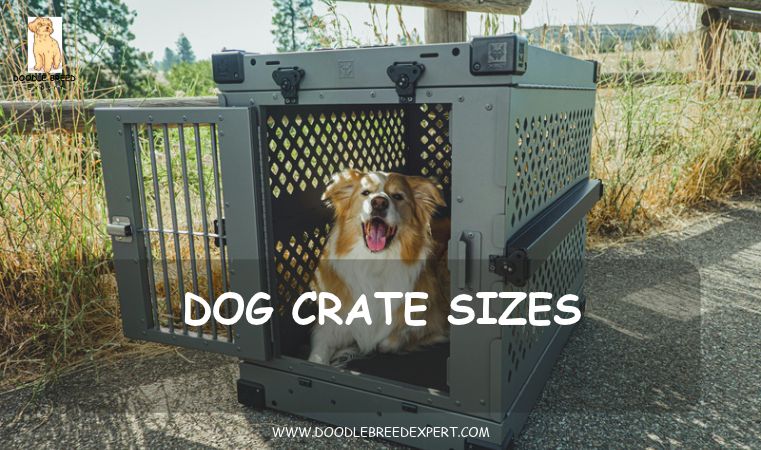
Most accidents happen when nobody’s watching. Inside, your puppy should be in view, on a house line, or in a crate or pen. Freedom grows as the accident-free days add up. A correctly sized crate helps a lot, see our dog crate sizes guide.
5. Interrupt, don’t punish
If you notice your puppy in the middle of eliminating, calmly scoop them up and take them outdoors. Do not rub their nose in it or yell. Doing so will teach your puppy to urinate out of sight, resulting in finding surprises under furniture.
6. Clean with an enzyme cleaner
Cleaning products commonly used by pet owners are designed to conceal odors from us humans, not from dogs. However, cleaning products containing enzymes can eliminate the odor causing agents in urine allowing pets to avoid returning to the same areas repeatedly.
How Long Does Potty Training Take?
Most puppies are reliable within four to six months and some take up to one year. The majority of small breeds will also take longer than large breed dogs. They have very tiny bladders, and their accidents can easily be missed, so the habit doesn’t get corrected as quickly. Consistency far outweighs any breed.
You should expect a few setbacks during your training process. For example; moving to a new house, a change in routine, teething or going through a growth spurt can cause accidents for a week or two.
Why Your Puppy Keeps Having Accidents
- Too much freedom too soon. Go back to closer supervision for a week.
- Not staying outside long enough. Give it 5 minutes, and if nothing happens, crate for 10 minutes and try again.
- Rewarding too late or not at all.
- Crate too big, so one end becomes the toilet.
- A medical problem. Peeing very often, straining, blood in the urine, or accidents in a puppy who was doing well can mean a urinary tract infection. See your vet.
Pee Pads, Bells and Other Tools
Using pee pads can help apartment dwellers and owners who work long hours. However, pee pads teach puppies that going indoors is fine. This may make it slower for them to switch to using outside. If you decide to use pee pads, keep them in the same place at all times. Then move them closer to the door over time.
Many puppies do very well with the bell method. Simply hang a bell on the door. Every time you take your puppy out, ring the bell, and reward your puppy when they nudge it. Just be ready for a dog who learns that bells mean “garden playtime.”
Want the whole day planned? Our puppy schedule puts potty breaks, meals, naps and training together.
Frequently Asked Questions
Every 45-60 minutes for an 8-10 week old puppy while awake, plus after every meal, nap and play session. The gap gets longer as they grow.
About an hour while awake and active, and 2-3 hours overnight.
Most puppies are reliable in 4-6 months, but some take up to a year, especially small breeds.
For puppies under about 12 weeks, one planned night break helps prevent accidents. Keep it quiet and boring, then straight back to bed.
They were probably distracted outside. Stay out longer, keep them on a lead in one spot, and reward the moment they go.
They can help in some homes, but they can slow outdoor training. If you use them, phase them out gradually.
No. Punishment makes puppies hide to pee. Calmly interrupt, take them outside and clean the spot with an enzyme cleaner.
Changes in routine, teething, stress or too much freedom are common causes. A urinary tract infection is also possible, so check with your vet if it continues.
Not really. Consistency, supervision and timing matter far more than sex.
Vet note: Written and reviewed by Dr. Muhammad Usman, DVM. Frequent urination, straining or blood in the urine are not training issues. Please see your vet.
More tools: Puppy Schedule · Puppy Sleep Schedule · Puppy Training Schedule